

MBBS, Fellowship in Neuro · Reg. No. 30573 (Assam Council of Medical Registration)
Last reviewed:
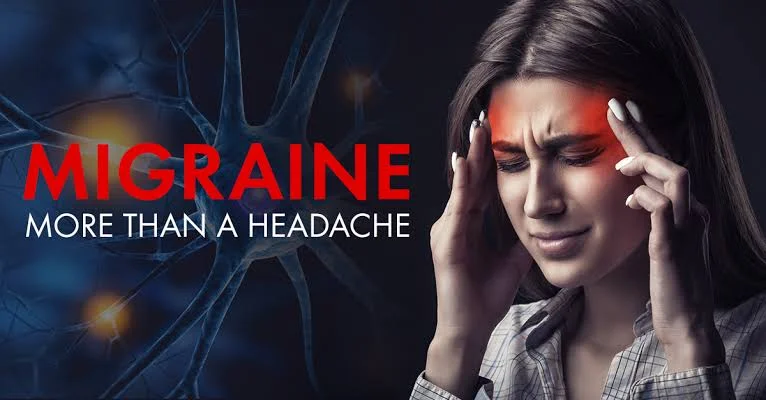
Migraine Symptoms
Migraine symptoms can vary from person to person. Some people experience mild symptoms, while others have severe headaches that interfere with everyday activities.
-
Moderate to severe headache, often affecting one side of the head.
-
Throbbing or pulsating head pain.
-
Nausea and sometimes vomiting.
-
Sensitivity to light, sound, or smells.
-
Pain that worsens during physical activity.
-
Fatigue, dizziness, or difficulty concentrating.
-
Visual disturbances in people who experience migraine aura.
Migraine attacks may last for several hours or, in some cases, several days. Symptoms and their severity differ between individuals.
Stages of a Migraine Attack
A migraine is more than a headache. Doctors often describe up to four stages, although many people experience only one or two of them.
- Prodrome: hours or a day before the pain, some people notice yawning, tiredness, mood changes, neck stiffness or food cravings.
- Aura: a minority of people see flashing or zigzag lights, blind spots, or feel tingling that spreads slowly over several minutes. Aura usually settles within an hour.
- Headache: throbbing pain, often on one side, with nausea and sensitivity to light, sound or smell.
- Postdrome: after the pain eases, a person may feel drained, low or unable to concentrate for a day or so.
Some people also feel dizzy or off balance during an attack. If spinning is your main complaint, our article on vertigo causes and when the spinning is serious may help you describe it to your doctor.
What Causes Migraine?
Migraine is a complex neurological condition. Its exact cause is not fully understood, but genetic factors and changes in brain activity and pain-processing pathways are believed to contribute.
Several factors may trigger an attack in susceptible individuals, including:
-
Stress or changes in stress levels.
-
Insufficient sleep or irregular sleeping patterns.
-
Skipping meals or dehydration.
-
Hormonal changes.
-
Bright lights, loud noises, or strong smells.
-
Changes in weather or daily routine.
-
Certain foods or drinks in some individuals.
Keeping a headache diary can help you identify possible triggers and discuss them with your healthcare professional.
When Should You See a Doctor for Migraine?
You should consider medical evaluation if your headaches occur frequently, become more severe, interfere with daily activities, or do not improve with your usual treatment.
A neurologist or qualified migraine specialist can assess your symptoms, review your medical history, and recommend an appropriate management plan.
Call 108 or 112, or go to the nearest emergency hospital, if you experience a sudden, extremely severe headache, new weakness, confusion, difficulty speaking, sudden vision loss, or a headache accompanied by fever and a stiff neck. Weakness of the face, arm or leg and slurred speech can be signs of a stroke rather than migraine, so learn the stroke warning signs (BE FAST) and do not wait at home.
How Is Migraine Diagnosed?
There is no single blood test or scan that proves migraine. The diagnosis is usually made from your description of the attacks and a physical and neurological examination. It helps to tell the doctor:
- How often the headaches come and how long each one lasts.
- Where the pain is felt and what it feels like.
- Whether you have nausea, vomiting, or trouble with light and sound.
- Any warning symptoms such as visual changes or tingling before the pain.
- Which medicines you have tried and how many days a month you take them.
Tests such as a brain scan are not needed for most people with a typical pattern. A doctor may advise them when the headache is new and severe, has changed recently, or comes with unusual findings on examination. People often ask whether a migraine itself is dangerous; we answer that in can migraine cause death?
Migraine Treatment Options
Migraine treatment depends on the frequency and severity of attacks, associated symptoms, medical history, and individual needs.
Medicines for Acute Migraine Attacks
A healthcare professional may recommend appropriate medicines to relieve headache pain and associated symptoms. Our guide to migraine medicine types and precautions explains the main groups in simple language. The choice depends on your health history and other medicines you take.
Preventive Migraine Treatment
People who experience frequent or disabling migraine attacks may benefit from preventive treatment. A doctor can assess whether preventive medication or other approaches are suitable.
Lifestyle Changes
Some people find it helpful to maintain regular sleep patterns, eat meals consistently, stay hydrated, exercise as tolerated, and manage stress.
Avoid taking pain-relief medicines too frequently, because medication overuse can contribute to recurring headaches. Consult a healthcare professional for advice about safe treatment.
What to Do During a Migraine Attack at Home
- Rest in a quiet, dark room and try to sleep if you can.
- Sip water, especially if you have vomited.
- Place a cool cloth on the forehead or the back of the neck if it feels soothing.
- Take the medicine your doctor has advised early in the attack rather than waiting for the pain to peak.
- Note the date, possible trigger and what helped in your headache diary.
These steps support medical treatment. They do not replace an assessment when headaches are frequent, changing or severe.
Getting migraine care in Hojai
You do not need to travel far for a first headache assessment. At Dr Shahrukh Neuro Polyclinic on Mikir Basti Road, Hojai, the doctor listens to your headache history, examines you, looks for warning signs and explains whether tests or a referral are needed. Bringing a headache diary and a list of the medicines you already take makes the visit more useful.
Wherever you go for care, it is reasonable to check the doctor’s qualifications and registration, and to ask how follow-up will work.
You can read how we assess headaches on our migraine and headache treatment in Hojai page, or explore the wider neurology services in Hojai.
How Can You Help Prevent Migraine Attacks?
Although migraine cannot always be prevented, some habits may help reduce the frequency of attacks:
-
Maintain a consistent sleep schedule.
-
Drink enough water throughout the day.
-
Avoid skipping meals.
-
Identify and track your personal triggers.
-
Use stress-management techniques.
-
Follow your healthcare professional’s treatment recommendations.
If migraine attacks continue despite these measures, seek medical advice about additional treatment options.
Frequently Asked Questions About Migraine
What are the most common migraine symptoms?
Common symptoms include throbbing headache, nausea, and sensitivity to light or sound. Some people also experience visual disturbances or other symptoms associated with migraine aura.
When should I see a doctor for migraine?
See a doctor if headaches are frequent, severe, changing in pattern, or affecting your daily life. Sudden severe headache or new neurological symptoms require urgent medical assessment.
Can migraine be treated?
Yes. Acute medicines can help manage attacks, and preventive treatments may reduce their frequency in suitable patients. Treatment should be individualized by a healthcare professional.
Can lifestyle changes reduce migraine attacks?
Regular sleep, hydration, consistent meals, and identifying personal triggers may help some people manage migraine. These measures do not replace medical care when it is needed.
Where can I get migraine care in Hojai?
Dr Shahrukh Neuro Polyclinic on Mikir Basti Road, Hojai offers consultations for headache and migraine. Wherever you go, check the doctor’s qualifications and how follow-up care will work. A sudden, severe headache is an emergency: call 108 or 112.
Book a Consultation in Hojai
If headaches are disturbing your work, studies or sleep, a proper assessment can help you find a plan that suits you. Book a consultation at Dr Shahrukh Neuro Polyclinic in Hojai or call +91 94352 08813. The clinic is on Mikir Basti Road, Danki Gaon, Hojai, Assam 782435 and is open 24 hours, 7 days a week. It is not an emergency hospital, so for a medical emergency call 108 or 112 first.
Conclusion
Migraine can affect work, sleep, and daily activities, but appropriate assessment and treatment can help many people manage their symptoms. Understanding your triggers, tracking headache patterns, and seeking medical advice when needed are important steps.
If you are looking for neuro care in Hojai, visit Dr Shahrukh Neuro Polyclinic to learn more about the clinic and available neurological care.