
MBBS, MS (Obstetrics & Gynaecology) · Reg. No. 25464 (Assam Council of Medical Registration)
Last reviewed:
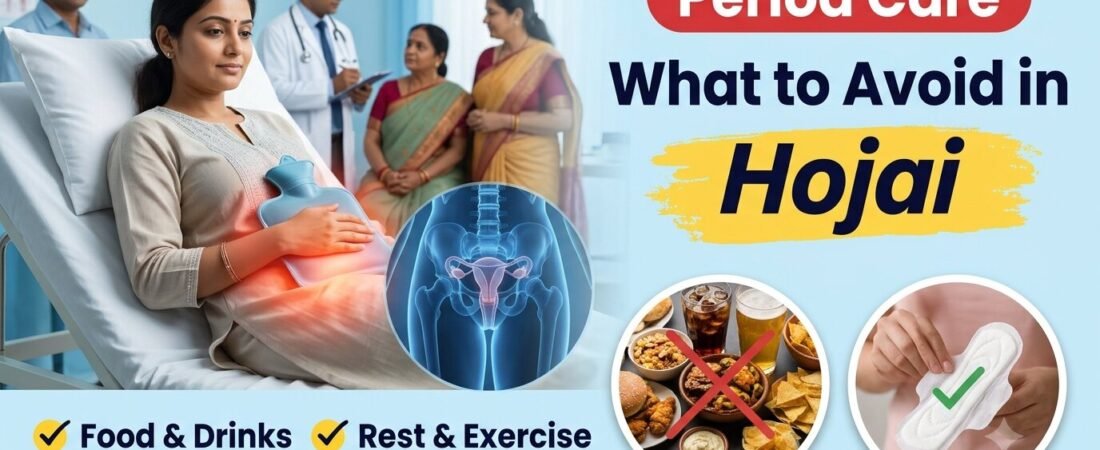
Women’s bodies go through many changes throughout a menstrual cycle, and for some women these can be unpleasant, like cramps, bloating, headaches, fatigue, and irritability. This can also affect women’s appetites and lead to changes in it, and cravings for certain foods. There are many choices that can help alleviate some of these symptoms.
Knowing 5 important things you should avoid during periods can also help you recognize when symptoms are outside your usual pattern and may need medical attention.

1. Avoid Skipping Meals
Some women experience reduced appetite, nausea, or tiredness during their periods and may end up skipping meals. However, regular and balanced meals can help provide the energy and nutrients your body needs.
When considering what to eat in periods, try to include a variety of nutritious foods such as:
- Vegetables and fruits
- Whole grains
- Eggs, fish, or other protein sources
- Beans and lentils
- Nuts and seeds
- Dairy or suitable alternatives
If you are wondering which food to eat during period days, choosing balanced meals rather than relying heavily on highly processed foods can support general nutrition.
2. Avoid Excessive Amounts of Foods That May Worsen Discomfort
There is no single list of foods that every woman must completely avoid during menstruation. However, some people notice that certain foods or drinks make bloating, digestive discomfort, or other period symptoms worse.
Depending on individual tolerance, it may be useful to limit excessive amounts of:
- Highly processed foods
- Very salty foods
- Foods high in added sugar
- Excessive caffeine
- Heavy or greasy meals
When considering foods to avoid during period, focus on how your body responds rather than following restrictive food rules.
3. Do Not Ignore Severe Period Cramps
Mild to moderate menstrual cramps are common. They can occur because the uterus contracts during menstruation.
However, severe or worsening pain should not simply be considered a normal part of every period.
Medical evaluation may be appropriate if period cramps:
- Are severe or worsening
- Prevent normal daily activities
- Continue for an unusually long time
- Occur with very heavy bleeding
- Begin suddenly after previously normal periods
- Are associated with fainting, fever, or other concerning symptoms
Some women also search for food for period cramps. A balanced diet, adequate hydration, and regular meals may support general wellbeing, but food alone may not address the underlying cause of severe menstrual pain.
4. Avoid Dehydration
Many women feel bloated during their period and often assume that drinking less water would help.
In truth, a good approach is to focus on hydration. There are many ways to consume water and be hydrated throughout the day. Soups, fruits and vegetables are all excellent sources of hydration as well.
Drinking enough water can improve your overall health and help alleviate some of the symptoms you may experience during your period, like fatigue, or digestive discomforts, and even help alleviate headaches.
5. Do Not Ignore Unusually Light or Heavy Menstrual Flow
Menstrual flow is individualized. Variations and fluctuations should be expected. You should pay attention if, and only if, there are substantial changes from your previous flow patterns.
Some people, in an effort to increase their flow when they consider their flow to be light, may consult the internet for ways to increase menstrual flow. It is not necessary to attempt to increase the flow artificially. There are several possible causes for light menstrual flow including stress, pregnancy, changes in body mass, and several medications.
On the other hand, if there is a concern regarding extremely heavy flow, that also should be addressed.
Seek medical advice if you notice:
- A persistent change in your usual menstrual flow
- Repeatedly very light or missed periods
- Very heavy bleeding
- Bleeding that lasts much longer than usual
- Severe pelvic pain
- Dizziness, fainting, or significant weakness
What to Eat During Your Period
Knowing what to eat in periods can make it easier to maintain balanced nutrition throughout the menstrual cycle.
Consider including foods that provide protein, iron, fiber, vitamins, and other essential nutrients.
Examples include:
- Leafy green vegetables
- Lentils and beans
- Eggs
- Fish or lean sources of protein
- Whole grains
- Fruits
- Nuts and seeds
- Yogurt or other suitable dairy products
If menstrual bleeding is heavy or you frequently feel unusually tired or weak, speak with a healthcare professional rather than relying only on dietary changes.
How Can You Manage Period Discomfort?
Healthy habits may help some women manage common menstrual symptoms.
You can consider:
- Drinking enough water
- Eating regular balanced meals
- Getting adequate sleep
- Staying physically active according to your comfort level
- Using appropriate heat for menstrual cramps
- Tracking your menstrual cycle and symptoms
If symptoms are severe, persistent, or significantly different from your normal periods, medical evaluation can help determine whether there is an underlying cause.
When Should You See a Doctor?
Many period symptoms are manageable at home, but certain changes warrant professional assessment.
Consider a gynecological consultation if you experience persistent menstrual problems, severe cramps, unusually heavy bleeding, repeatedly missed periods, or significant changes in your normal cycle.
Women looking for local medical care can consult a gynecologist in Hojai to discuss menstrual symptoms and determine whether further evaluation is appropriate.
Hygiene Mistakes to Avoid During Periods
- Do not wear the same pad for too long; change it every few hours, and sooner if it is soaked.
- If you use tampons or a menstrual cup, follow the instructions and do not leave them in longer than recommended.
- Wash the outer genital area with plain water; avoid douching and perfumed washes, which can irritate and upset the natural balance.
- Wash and fully sun-dry reusable cloth pads before using them again.
- Wash your hands before and after changing pads.
Itching, a bad smell or an unusual colour of discharge is not a normal part of a period; our article on white discharge before a period explains what normal discharge looks like.
Do Not Take Medicines Without Advice
Avoid taking painkillers repeatedly on your own, and do not take hormone tablets to stop, delay or bring on a period without seeing a doctor. If your periods are often delayed, read why periods get late; if they are irregular with acne or weight gain, see our guide to PCOS and PCOD. Very heavy and painful periods can sometimes be due to conditions such as a bulky uterus, which a doctor can check with an examination and ultrasound.
When Period Symptoms Are an Emergency
Go to the nearest hospital or call 108 or 112 if you soak through a pad every hour for several hours, pass very large clots, feel faint or breathless, or have sudden severe lower abdominal pain. If you could be pregnant and have bleeding with pain, this also needs urgent assessment; women who are pregnant can arrange follow-up through our pregnancy care in Hojai service.
Final Thoughts
Knowing the 5 important things you should avoid during periods can help you make healthier choices during menstruation. Avoid skipping meals, excessive intake of foods that worsen your symptoms, dehydration, and ignoring significant changes in menstrual pain or bleeding.
There is no single diet or routine that works for every woman. If your period symptoms are severe, persistent, or noticeably different from your usual pattern, professional medical evaluation can help identify the possible cause and appropriate care.
Frequently Asked Questions
Can I exercise during my period?
Yes. Light to moderate exercise such as walking, stretching or yoga is safe and may ease cramps. Rest if you feel unwell, and avoid pushing through severe pain.
Is it safe to take a bath or wash my hair during periods?
Yes. Bathing and washing your hair are safe and good for hygiene. A warm bath may even help cramps.
Which foods should I limit during periods?
There is no forbidden food, but many women feel better limiting very salty, sugary, greasy foods and too much tea or coffee, which can worsen bloating and discomfort.
How much period bleeding is too much?
Bleeding is too heavy if you need to change a pad every one to two hours, pass large clots, bleed for more than seven days, or feel weak and dizzy. See a doctor.
When are period cramps not normal?
Cramps that stop you from doing daily activities, keep getting worse, or come with fever, fainting or very heavy bleeding should be checked by a doctor.
Book a Consultation in Hojai
For painful, heavy or irregular periods, you can consult Dr Pooja Singh, MBBS, MS (Obs & Gynae). Book a consultation at Dr Shahrukh Neuro Polyclinic in Hojai or call +91 94352 08813. The clinic on Mikir Basti Road, Danki Gaon, Hojai is open 24 hours, 7 days a week. We are not an emergency hospital, so in an emergency call 108 or 112.
References
This article is for general health education and does not replace a consultation with your own doctor.