Many women search for how to get periods immediately when their menstrual cycle is late or when they want their period to arrive before an important event. However, there is no guaranteed home method that can safely make a period start immediately.
A late period can happen for many reasons, including stress, changes in weight, intense exercise, hormonal changes, illness, certain medicines, or pregnancy. Understanding the possible cause is more important than trying unproven methods to trigger bleeding.
If your periods are repeatedly late, unusually irregular, or associated with other symptoms, a medical evaluation can help identify the underlying reason.
How to Get Periods Immediately?
There is no reliable home treatment that can guarantee your period will begin immediately. Menstruation is controlled by a complex interaction of reproductive hormones, and the timing of bleeding depends on what is happening during the menstrual cycle.
Some foods, drinks, herbs, supplements, and traditional remedies are commonly promoted online as ways to bring periods early. However, these methods should not be considered guaranteed treatments for a delayed period.
Why Is Your Period Late?
Before looking for ways to get periods early, it is useful to understand why the period may be delayed. A late period does not always mean there is a serious medical problem.
Common reasons include:
- Pregnancy
- Stress or emotional changes
- Sudden weight gain or weight loss
- Very intense physical activity
- Changes in sleep patterns or daily routine
- Hormonal changes
- Polycystic ovary syndrome (PCOS)
- Thyroid-related problems
- Some medicines or hormonal contraception
- Illness or significant changes in overall health
- Perimenopause in women approaching menopause
If your periods frequently become irregular, identifying the underlying cause may be more useful than repeatedly trying to make the period arrive early.
How to Get Periods Early
There is no guaranteed natural method for making a period start earlier than expected. The safest approach depends on why the period is late and whether pregnancy or another medical condition could be involved.
If your menstrual cycle is occasionally a few days different from usual, this can happen naturally. However, repeated delays or major changes in your cycle may require medical assessment.
If you need to change the timing of your period for a specific reason, speak with a qualified healthcare professional. Depending on your circumstances, a doctor can determine whether any medical option is appropriate.
How to Bring Periods Early Naturally
Many online sources recommend foods, herbs, vitamins, hot drinks, or other home remedies to bring periods early. These methods are not guaranteed to start menstruation immediately.
Rather than relying on a remedy that promises immediate bleeding, focus on habits that support overall menstrual health and a healthy routine.
If your period is consistently delayed, the reason should be investigated rather than repeatedly using home remedies.
Quick Daily Habits That Support Menstrual Health
Healthy daily habits can support general wellbeing and may contribute to a more consistent menstrual routine. However, these habits cannot guarantee that a period will start immediately.
Prioritize Regular Sleep
Try to maintain a consistent sleep schedule. Major changes in sleep patterns and ongoing stress may affect overall hormonal and physical wellbeing.
Choose Balanced Nutrition
A balanced diet containing vegetables, fruits, whole grains, protein sources, and healthy fats can help support general nutritional health.
Stay Adequately Hydrated
Drinking enough fluids throughout the day supports normal body functions. Good hydration is part of a healthy routine, although drinking extra water does not guarantee that a delayed period will begin.
Manage Stress
Long-term stress can affect the menstrual cycle in some women. Relaxation techniques, adequate rest, regular activity, and other healthy ways of managing stress may be helpful.
Avoid Extreme Dieting or Excessive Exercise
Very restrictive diets, significant calorie deficits, or excessive physical training can affect menstrual cycles. Maintaining a balanced approach to nutrition and physical activity is important for reproductive health.
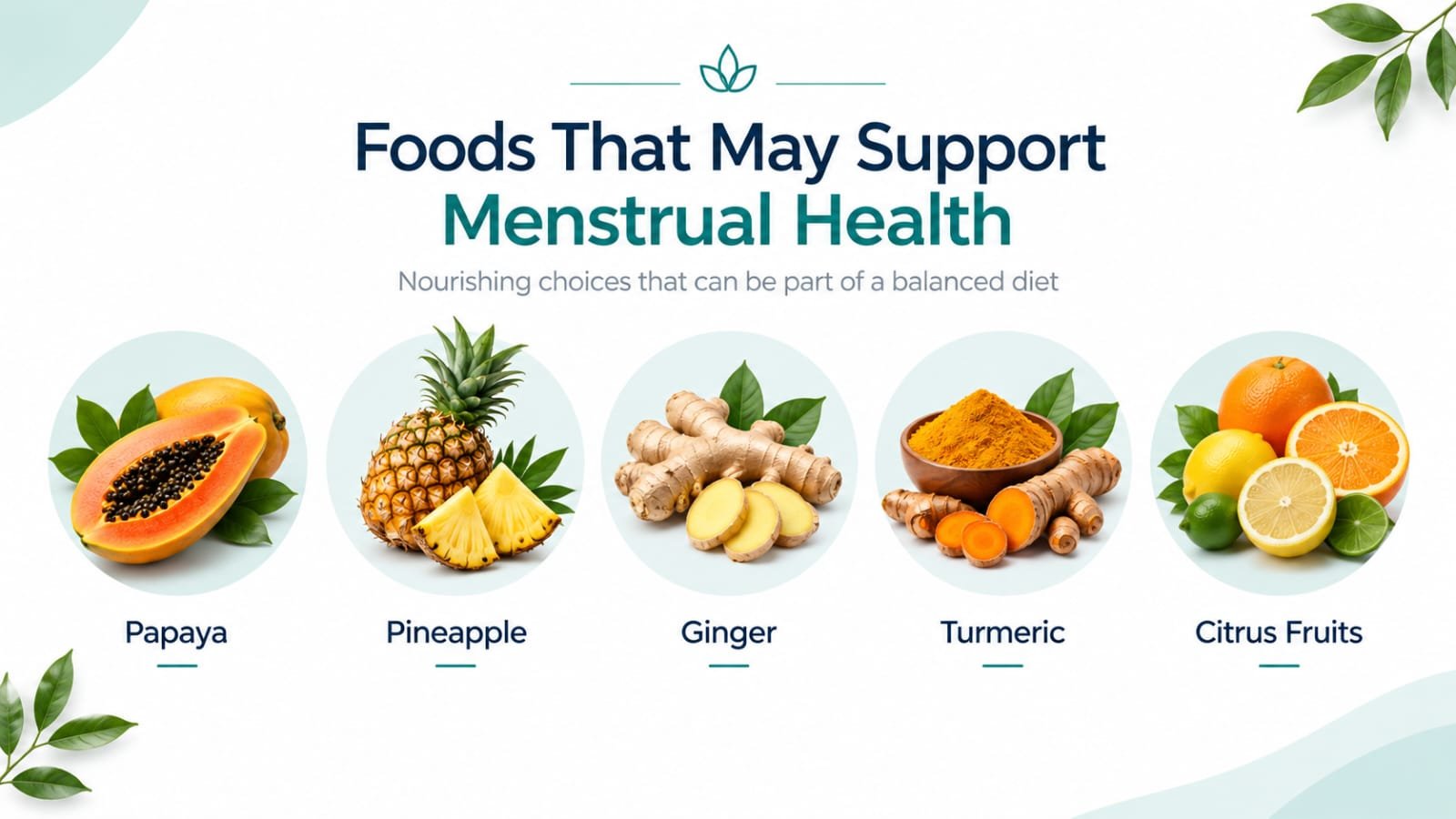
What to Do for Menstruation to Come
If your period is late, first consider how late it is compared with your usual cycle and whether there is a possibility of pregnancy.
If pregnancy is possible, a pregnancy test can provide useful information. If the test is negative but your period remains absent, repeating the test at an appropriate time or discussing the situation with a healthcare professional may be appropriate.
If late or irregular periods happen repeatedly, a doctor may consider your menstrual history and symptoms and may recommend further evaluation when necessary.
Which Tablet Is Used to Get Periods?
Some prescription hormonal medicines may be used by doctors in particular situations to manage menstrual bleeding or regulate the menstrual cycle. The appropriate medicine depends on the reason for the delayed period and the individual’s medical history.
There is no single tablet that is suitable for everyone who wants to get their period immediately.
If you are considering medication because your period is late, a healthcare professional can help determine whether treatment is necessary and which option, if any, is appropriate.
Can Home Remedies Make Periods Come Immediately?
There is no reliable home remedy that can guarantee immediate menstruation. Claims about particular fruits, herbs, spices, drinks, or supplements should be approached cautiously.
Some foods can be part of a nutritious diet, but eating a particular food does not guarantee that a delayed period will start.
Avoid consuming large quantities of herbs, supplements, or other substances simply because they are promoted online as a way to induce menstruation. Some products can cause side effects or interact with medicines.
Can Stress Delay Your Period?
Yes, significant or prolonged stress can affect the hormonal signals involved in the menstrual cycle and may contribute to a delayed or irregular period in some women.
If stress is affecting your sleep, appetite, daily activities, or menstrual cycle, improving sleep, maintaining regular meals, staying physically active at an appropriate level, and using healthy stress-management strategies may help support overall wellbeing.
Can Weight Changes Affect Menstruation?
Significant changes in body weight can affect menstrual cycles. Rapid weight loss, restrictive eating, or excessive exercise may interfere with normal reproductive hormone activity.
Sudden weight gain can also be associated with hormonal or metabolic changes that affect menstruation.
If your periods have become irregular following a major change in weight, nutrition, or exercise, discussing the change with a healthcare professional can help identify the underlying cause.
What If You Need Your Period Before an Important Event?
Some women want to change the timing of their period because of travel, a wedding, an examination, a sports event, or another important occasion.
Trying to force menstruation with unproven home remedies is not a reliable solution. If you need to discuss menstrual timing or cycle management, a healthcare professional can review your cycle and medical history and explain appropriate options.
The safest approach is to plan ahead rather than taking an unknown medicine at the last minute.
When Should You See a Gynecologist?
Occasional changes in cycle timing can happen, but medical advice may be useful when periods are repeatedly irregular or absent.
Consider speaking with a healthcare professional if you experience:
- Repeatedly delayed or missed periods
- Very irregular menstrual cycles
- Very heavy menstrual bleeding
- Severe menstrual pain
- Bleeding between periods
- Unusual vaginal discharge or pelvic discomfort
- New symptoms associated with hormonal changes
- Difficulty becoming pregnant
Women looking for professional women’s healthcare can learn more about gynecological care in Hojai and discuss menstrual concerns with a qualified healthcare professional.
When a Missed Period May Need Urgent Attention
A missed period itself is not usually an emergency. However, urgent medical assessment may be needed if a missed period or possible pregnancy is accompanied by concerning symptoms.
Seek urgent medical care if you experience symptoms such as:
- Severe or worsening abdominal or pelvic pain
- Fainting or severe dizziness
- Heavy or unusual bleeding
- Severe weakness or feeling seriously unwell
- Significant pain with a positive pregnancy test
These symptoms can have several possible causes and should not be managed only with home remedies.
Frequently Asked Questions
How can I get my period immediately?
There is no guaranteed home method to make your period start immediately. If your period is late, first consider pregnancy and possible causes such as stress, hormonal changes, weight changes, illness, or changes in physical activity.
How can I get my period early?
There is no universally reliable natural method for making a period arrive early. If changing the timing of your menstrual cycle is important, discuss your options with a healthcare professional.
What can I do to get my periods?
The appropriate approach depends on why your period is late. Maintaining a healthy routine can support general menstrual health, but it cannot guarantee immediate bleeding.
Can food make my period come immediately?
No food can reliably guarantee that a period will begin immediately. Nutritious foods can support overall health, but they should not be considered a treatment for a delayed period.
Which tablet is used to get periods?
Doctors may use certain hormonal medicines in specific situations, but there is no single tablet that is appropriate for every woman with a delayed period. Medical advice is important before taking hormonal medication.
Can stress cause a late period?
Significant stress can affect the menstrual cycle in some women and may contribute to delayed or irregular periods.
Should I take medicine if my period is late?
Do not take prescription hormonal medicines without medical advice. Pregnancy and other causes of a delayed period should be considered first.
Final Takeaway
Searching for how to get periods immediately is common, especially when a menstrual cycle is late or an important event is approaching. However, there is no guaranteed home remedy that can safely make menstruation begin immediately.
A late period can have many causes, including pregnancy, stress, weight changes, hormonal conditions, illness, and changes in exercise or daily routine. Understanding the cause is more important than trying an unproven method to trigger bleeding.
If your periods are repeatedly delayed, unusually irregular, very painful, or associated with other concerning symptoms, professional medical evaluation can help determine the appropriate next step.