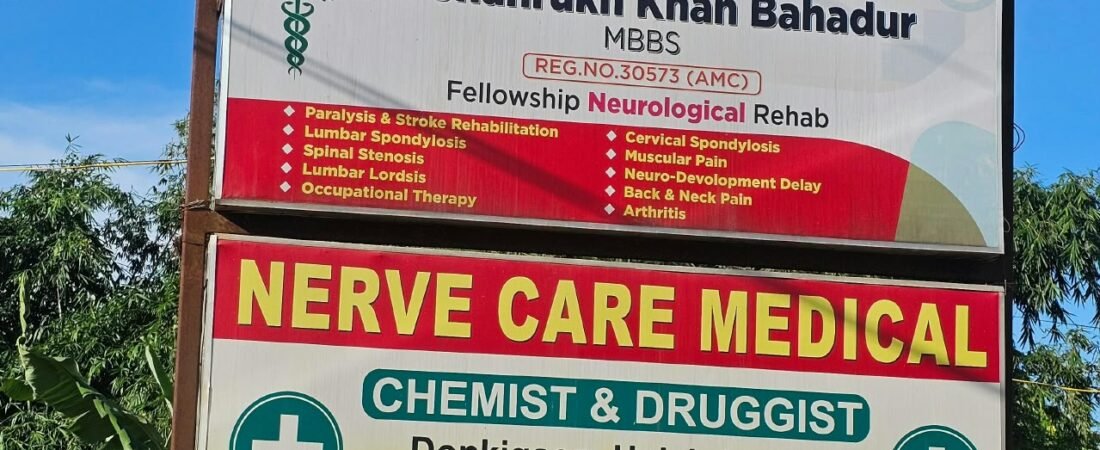
Cervical spondylosis is a common condition affecting the bones, discs, and joints of the neck. It usually develops gradually as the structures of the cervical spine undergo age-related changes. Some people have cervical spondylosis without noticeable symptoms, while others may experience neck pain, stiffness, headaches, shoulder discomfort, or symptoms extending into the arms.
Understanding the symptoms and receiving an appropriate medical assessment can help patients manage their condition and determine whether further investigation or treatment is necessary.
What Is Cervical Spondylosis?
Cervical spondylosis refers to degenerative changes in the cervical spine, which is the part of the spine located in the neck.
Over time, the discs between the vertebrae may lose flexibility and height. The joints and surrounding structures can also develop changes, including bone spurs. In some people, these changes can narrow the spaces through which nerves or the spinal cord pass.
Cervical spondylosis becomes more common with increasing age. Previous neck injuries, repetitive activities, prolonged poor posture, and physically demanding work may also contribute to neck problems.
Common Symptoms of Cervical Spondylosis
Symptoms vary depending on the structures affected and the severity of the condition.
Common symptoms may include:
- Neck pain or discomfort
- Neck stiffness
- Reduced neck movement
- Shoulder discomfort
- Headaches associated with neck pain
- Pain extending from the neck toward the shoulder or arm
- Tingling or numbness in the arm or hand
- Muscle weakness in the arm or hand
Some people may have degenerative changes visible on an X-ray or MRI but experience few or no symptoms.
What Causes Cervical Spondylosis?
The primary factor associated with cervical spondylosis is the natural wear and tear that occurs in the cervical spine over time.
Factors that may contribute to neck problems include:
- Increasing age
- Previous neck injury
- Repetitive neck movements
- Poor posture
- Prolonged computer use
- Extended mobile-phone use
- Physically demanding work
- Repeated lifting or activities that strain the neck
Having one or more of these factors does not necessarily mean that a person will develop significant cervical spondylosis symptoms.
How Is Cervical Spondylosis Diagnosed?
A doctor generally starts with a medical history and physical examination. The assessment may include checking neck movement, muscle strength, sensation, reflexes, and other neurological signs.
Depending on the symptoms and examination findings, the doctor may recommend imaging.
An X-ray can demonstrate certain changes in the cervical spine. In selected patients, an MRI may be recommended to assess the discs, nerves, spinal cord, or other soft tissues.
The need for imaging depends on the patient’s symptoms and clinical examination.
Treatment for Cervical Spondylosis
Treatment depends on the severity of symptoms and whether there is nerve or spinal cord involvement.
Conservative Treatment
Many patients can be managed with non-surgical treatment. Depending on the individual’s condition, this may include:
- Activity modification
- Physiotherapy
- Appropriate neck exercises
- Posture correction
- Heat or other supportive measures
- Appropriate pain-relief medication when medically suitable
- Treatment for associated muscle stiffness
Medication should be taken according to medical advice, particularly for people with other medical conditions or those taking other medicines.
Physiotherapy and Rehabilitation
Physiotherapy and rehabilitation may help improve neck movement, muscle strength, posture, and daily function.
Exercises should be selected according to the patient’s condition. Anyone experiencing significant pain, weakness, numbness, or other neurological symptoms should receive appropriate medical assessment before starting a new exercise programme.
When Is Surgery Considered?
Most people with cervical spondylosis do not require surgery.
However, specialist assessment may be considered when there is significant nerve compression, spinal cord involvement, progressive neurological weakness, or persistent symptoms despite appropriate conservative treatment.
The decision regarding surgery depends on the patient’s symptoms, examination findings, and imaging results.
When Should You See a Doctor?
You should consider medical consultation if neck pain or stiffness is persistent, recurrent, worsening, or interfering with your normal activities.
Medical assessment is particularly important if neck symptoms are accompanied by:
- New or worsening weakness in an arm or hand
- Significant numbness or loss of sensation
- Difficulty walking
- Problems with balance
- Loss of coordination
- Severe or rapidly worsening symptoms
- New bladder or bowel problems together with neurological symptoms
These symptoms can have several possible causes and may require urgent medical evaluation.
Cervical Spondylosis and Daily Activities
Everyday habits can influence neck comfort.
If you work at a computer, keep the screen at a comfortable height and avoid remaining in one position for prolonged periods. Taking regular movement breaks may help reduce neck strain.
Extended mobile-phone use with the head bent forward may also increase discomfort. Keeping the device closer to eye level and changing position regularly can be helpful.
Patients should avoid exercises or movements that significantly increase their symptoms.
Can Cervical Spondylosis Be Prevented?
Age-related changes in the cervical spine cannot always be prevented. However, maintaining good posture, staying physically active, avoiding unnecessary neck strain, and seeking medical advice for persistent symptoms may help support overall neck health.
People who regularly perform physically demanding work may benefit from learning appropriate lifting and movement techniques.
Medical Consultation for Cervical Spondylosis
Cervical spondylosis can range from mild neck stiffness to symptoms involving nerves or, in some cases, the spinal cord. Because several other conditions can produce similar symptoms, medical assessment is important before deciding on treatment.
At NEURO POLYCLINIC, patients can seek medical consultation for cervical spondylosis, neck pain, back and neck problems, and related neurological or musculoskeletal concerns.
A medical consultation can help determine whether further investigation, treatment, rehabilitation, or referral to another specialist is appropriate.
Frequently Asked Questions
Is cervical spondylosis serious?
Cervical spondylosis is common and many cases are manageable. However, symptoms such as progressive weakness, significant numbness, walking difficulties, or coordination problems require medical assessment.
Can cervical spondylosis be cured?
The degenerative changes in the spine may not be reversible, but symptoms can often be managed. Treatment depends on the individual’s symptoms and clinical findings.
Can cervical spondylosis cause arm pain?
Yes. If a cervical nerve becomes irritated or compressed, pain, tingling, numbness, or weakness may extend from the neck into the shoulder, arm, or hand.
Does everyone with cervical spondylosis need surgery?
No. Most patients do not require surgery. Conservative treatment is commonly used, while surgery may be considered in selected cases with significant neurological problems or persistent symptoms.
Conclusion
Cervical spondylosis is a common condition involving degenerative changes in the cervical spine. Some people have no symptoms, while others may experience neck pain, stiffness, headaches, shoulder discomfort, or symptoms affecting the arms.
Appropriate medical assessment can help identify the likely cause of symptoms and guide treatment. Depending on the individual situation, management may include lifestyle measures, physiotherapy, medication, rehabilitation, further investigation, or specialist referral.
If you have persistent neck pain, numbness, weakness, balance problems, or other concerning neurological symptoms, seek medical evaluation rather than relying on self-diagnosis.
Medical Disclaimer: This article is for general educational information and does not replace an individual medical consultation, diagnosis, or treatment plan. Treatment should be based on a qualified healthcare professional’s assessment.
Medically reviewed by: Dr. Shahrukh Khan Bahadur, MBBS
Clinic: NEURO POLYCLINIC